Why Blower Fan Design Matters in HVAC Systems
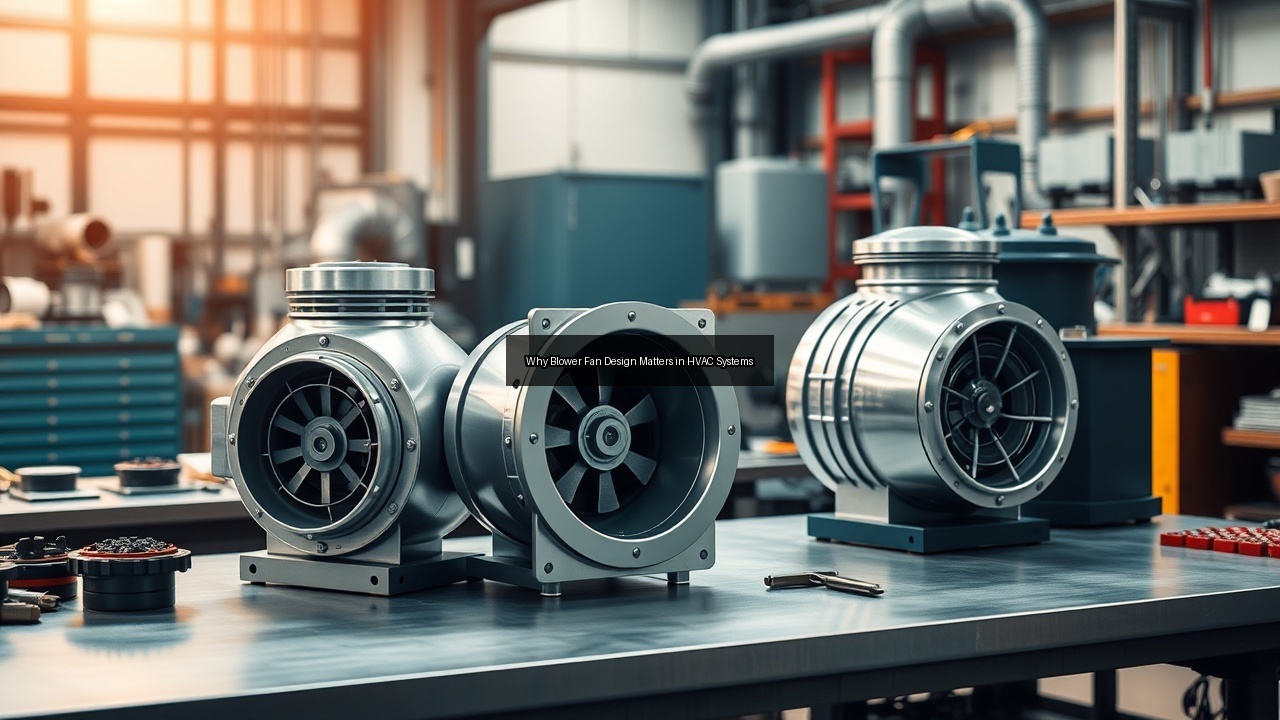
The Importance of Blower Fan Design in HVAC Systems
Understanding Blower Fans and Their Role
Blower fans play a critical role in HVAC systems, influencing both efficiency and comfort. These components facilitate air movement, ensuring that heated or cooled air reaches every corner of a building. Whether it's a furnace or an air conditioner, the blower fan acts as the heart of the system, pushing conditioned air through ducts and into living spaces. A well-designed blower fan enhances airflow, reduces energy consumption, and maintains consistent temperatures, all of which contribute to a more comfortable indoor environment.
The design of a blower fan encompasses several elements, including its size, shape, and materials. These factors significantly affect performance and noise levels. For instance, a blower that operates quietly and efficiently can vastly improve user satisfaction. Moreover, the integration of advanced features such as ball bearings in the motor can extend the lifespan of the blower fans, minimizing the need for replacements. Understanding how these components work together highlights the importance of thoughtful blower fan design in achieving optimal HVAC performance.
Key Components of Blower Design
A comprehensive understanding of the key components involved in blower design reveals why it matters. The blower housing serves as the shell that contains the fan and directs airflow. Its shape and material impact how efficiently blower housing assembly air moves through the system. Additionally, the fan blades' design—whether straight or curved—affects both airflow and efficiency. Curved blades tend to offer better performance at lower noise levels, making them a popular choice in residential HVAC systems.
Another crucial element is the motor used to drive the blower fan. Different motors, such as direct-drive or belt-driven, can significantly influence performance and maintenance needs. Direct-drive motors are typically more efficient, while belt-driven motors allow for more flexibility in fan speed adjustments. Furthermore, the integration of smart technology into blower designs can provide real-time feedback on performance and energy usage, allowing homeowners to monitor and optimize their HVAC systems actively. Each of these components must work in harmony to ensure that the blower fan operates efficiently, highlighting the importance of meticulous design.
Blower Housing: The Unsung Hero
Types of Blower Housings
Blower housing plays a pivotal role in the overall performance of HVAC systems, yet it often receives little attention. Various types of blower housings exist, including centrifugal and axial designs, each suited for specific applications. Centrifugal blower housings are more common in HVAC systems because they efficiently direct high-pressure air into the ductwork. Their design allows for better airflow management, making them ideal for larger spaces needing robust heating or cooling.
In contrast, axial blower housings are typically used in applications requiring lower air pressure but higher airflow rates, such as in ventilation systems. The choice between these types depends on the specific needs of the HVAC system, including the space's size, layout, and the desired air movement. Proper selection of blower housing not only maximizes efficiency but also minimizes noise levels, which is crucial for maintaining comfort in residential and commercial environments.
Impact of Housing Design on Performance
The design of blower housing directly influences airflow efficiency and noise levels. A well-constructed blower housing minimizes turbulence and allows for smooth air passage, significantly enhancing the blower fan's performance. Poorly designed housings can create bottlenecks, leading to inefficient airflow and increased energy consumption. Furthermore, the materials used in housing construction, such as galvanized steel or plastic, affect durability and resistance to corrosion, which can impact the blower's longevity.
Additionally, insulation within the housing can reduce noise, a critical consideration for residential applications where quiet operation is paramount. A well-insulated blower housing minimizes sound transmission, ensuring that the HVAC system operates discreetly. Proper design also facilitates easy access for maintenance, which is essential for ensuring the blower remains in optimal condition over time. Overall, the impact of blower housing design on HVAC system performance cannot be understated; it serves as the foundation for how effectively the system operates.
Selecting the Right Blower for Your HVAC System
Factors to Consider When Choosing Blowers
Selecting the right blower for an HVAC system involves several key considerations. First, the blower's capacity must match the system's requirements. A blower that is too small will struggle to circulate air effectively, leading to temperature inconsistencies and increased wear on the system. Conversely, an oversized blower can lead to excessive energy consumption and higher operational costs. Therefore, determining the correct airflow requirements, measured in cubic feet per minute (CFM), is essential when selecting a blower.
Another important factor is the type of motor. High-efficiency motors, such as ECM (electronically commutated motors), offer advanced features like variable speed control, which can significantly enhance efficiency and comfort. Noise levels also should be a consideration. Quiet operation is a hallmark of quality blower fans, making them preferable for residential applications. Lastly, the compatibility of the blower with the existing HVAC system, including ductwork and controls, is crucial for optimal performance. Taking these factors into account ensures that the selected blower enhances the HVAC system's overall functionality and efficiency.
OEM vs. Aftermarket Blowers
When it comes to blower selection, the choice between OEM (original equipment manufacturer) and aftermarket blowers can significantly impact performance and reliability. OEM blowers are specifically designed for particular HVAC systems, ensuring compatibility and optimal performance. These products often come with warranties that provide peace of mind regarding their reliability. Using OEM components reduces the risk of improper fit or function, which can lead to additional costs and maintenance issues down the line.
On the other hand, aftermarket blowers can often be more affordable ac blower and may offer comparable performance. However, they vary significantly in quality and compatibility. Some aftermarket options may not meet the same standards as OEM products, potentially leading to issues such as increased noise or reduced efficiency. Homeowners and HVAC professionals must weigh the pros and cons of each option carefully. While aftermarket parts can save money, investing in OEM blowers often results in long-term savings through improved performance and fewer maintenance needs.
Maintaining Blower Fans for Longevity and Efficiency
The Role of Air Filters in Blower Performance
Regular maintenance of blower fans is vital for ensuring longevity and efficiency within HVAC systems. One of the most crucial aspects of maintenance involves air filters. Clean air filters prevent dust and debris from entering the blower fan, which can impede airflow and reduce performance. Clogged filters force the blower to work harder, increasing energy consumption and wear on the motor. Regularly replacing or cleaning air filters not only enhances system efficiency but also contributes to better indoor air quality.
Different types of air filters exist, including HEPA, pleated, and washable options. Each type offers varying levels of filtration, and the choice should align with the specific needs of the HVAC system and the environment. For instance, households with pets or allergies might benefit from high-efficiency filters that capture smaller particles. Regular checks and maintenance of air filters ensure that the blower fan operates at peak performance, minimizing downtime and repair costs.
Feedback and Warranty Considerations
Feedback from users and warranty considerations significantly influence the longevity and efficiency of blower fans within HVAC systems. Manufacturers often provide warranties that cover specific components for a set period. Understanding warranty terms can save homeowners from unforeseen repair costs. A good warranty reflects confidence in the product's reliability, making it an important factor when selecting blower fans.
Additionally, user feedback can provide insights into real-world performance, helping potential buyers make informed decisions. Reviews and testimonials often reveal common issues or exceptional performance traits that may not be evident in product specifications. Engaging with user communities or forums can also provide valuable tips for maintaining blower fans, enhancing their lifespan and efficiency. Collectively, these considerations emphasize the importance of thoughtful selection and maintenance of blower fans to achieve optimal HVAC performance.