The Role of Software in Enhancing 5 Axis Laser Cutting
Understanding 5 Axis Laser Cutting Technology
Overview of Laser Cutting Process
The laser cutting process employs focused beams of light to precisely cut through various materials. Initially, a high-powered laser beam generates intense heat that melts or vaporizes the material, allowing for incredibly intricate shapes and designs. This technique excels in producing clean edges and reducing waste, making it ideal for high-precision applications. As industries evolve, the demand for advanced cutting techniques increases, and laser cutting stands out for its speed, accuracy, and versatility. With the introduction of 5 axis capabilities, laser cutting has revolutionized how manufacturers approach complex geometries, enabling them to create components that were previously impossible to achieve with traditional methods.
The Mechanics of 5 Axis Laser Cut
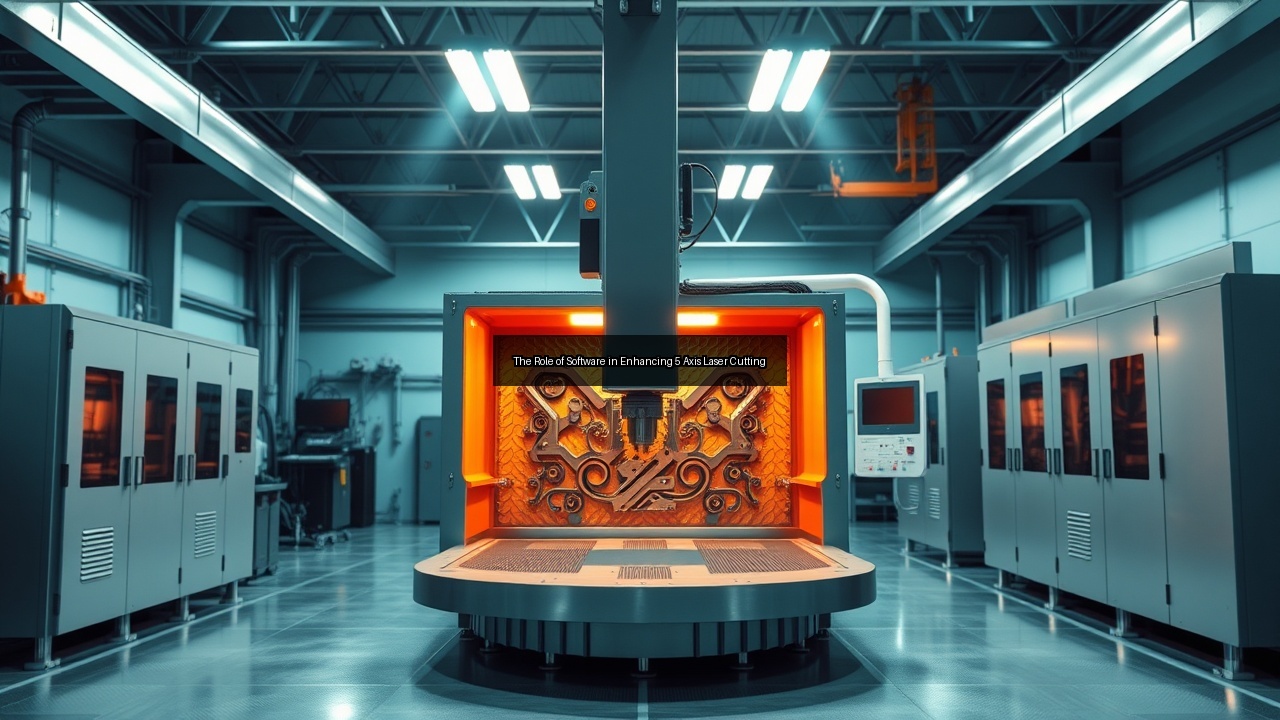
5 axis laser cutting technology enhances the standard laser cutting process by introducing additional rotational axes. This multidimensional approach allows the laser cutter to manipulate the angle and position of the beam, providing unprecedented freedom in design. Unlike traditional 2D or 3D methods, 5 axis cutting can operate along five different axes simultaneously, resulting in enhanced accuracy and the ability to cut complex shapes from various angles. This capability significantly reduces the need for multiple setups, ultimately streamlining production processes and minimizing material waste. The mechanics of 5 axis laser cutting require sophisticated control systems and advanced software that coordinate the movements of the laser cutter seamlessly.
Advantages of 5 Axis Laser Cutting over Traditional Methods
5 axis laser cutting offers several advantages that position it ahead of traditional cutting methods. One significant benefit is increased precision; the ability to cut from various angles reduces the risk of misalignment and errors. Additionally, this technology allows for more complex designs that traditional flat cutting cannot achieve, such as intricate contours and 3D shapes. The reduction in setup time is another critical advantage, as fewer fixtures and jigs are needed, resulting in faster turnaround times. Furthermore, the enhanced efficiency of 5 axis cutting translates to lower operational costs over time, making it a preferred choice for industries focusing on metal fabrication, HVAC components, and other precision applications.
The Role of Software in 5 Axis Laser Cutting
Types of Software Used in Laser Cutting
Software plays a crucial role in optimizing the 5 axis laser cutting process. Various software solutions cater to different aspects of laser cutting, including design, simulation, and machine control. Computer-Aided Design (CAD) software allows engineers to create precise 2D and 3D models, while Computer-Aided Manufacturing (CAM) software helps in generating the necessary tool paths for laser cutters. Advanced nesting software maximizes material usage by efficiently arranging parts for cutting, thereby reducing waste. Integration of these software types facilitates a seamless workflow from design to production, ensuring that the final laser-cut components meet stringent quality standards.
How CAM Software Enhances Precision
Computer-Aided Manufacturing (CAM) software significantly enhances precision in 5 axis laser cutting by generating optimized tool paths and controlling the laser cutter's movements. CAM software translates the designs created in CAD into actionable instructions for the laser cutter, ensuring that every cut adheres to the specified dimensions and tolerances. This software not only accounts for the laser's speed and power settings but also incorporates material characteristics, ensuring optimal cutting conditions. Advanced CAM systems allow for real-time adjustments based on feedback from the laser cutting machine, further improving accuracy and reducing the likelihood of errors that could compromise the integrity of the final product.
Integrating Engineering Software with Laser Cutting Technology
Integrating engineering software with laser cutting technology fosters a more efficient production environment. By linking CAD, CAM, and other engineering applications, manufacturers can achieve a cohesive system that streamlines the entire workflow. This integration enables engineers to simulate the cutting process, assess potential challenges, and make necessary adjustments before actual production. Moreover, real-time data sharing between software platforms enhances collaboration among design, engineering, and production teams, leading to quicker problem resolution and higher-quality outcomes. As manufacturers embrace Industry 4.0 principles, such integration becomes vital for maintaining competitive advantages in the rapidly evolving landscape of laser cutting services.
Applications of 5 Axis Laser Cutting in Various Industries
Metal Fabrication and Machining
5 axis laser cutting technology has transformed metal fabrication and machining. Industries that rely on precision components, such as aerospace, automotive, and medical device manufacturing, benefit significantly from this advanced cutting method. The ability to create complex shapes with high accuracy means that manufacturers can produce lightweight yet sturdy components that meet strict performance standards. Additionally, the versatility of 5 axis laser cutting allows for the processing of various metals, including stainless steel, aluminum, and titanium, making it an attractive option for diverse applications. This technology facilitates rapid prototyping and production, enabling companies to respond quickly to market demands while minimizing production costs.
HVAC Applications of Laser Cut Components
The HVAC industry increasingly relies on 5 axis laser cutting for producing components such as ducts, fittings, and brackets. The precision offered by this technology ensures that these parts fit seamlessly in complex heating and cooling systems, thereby enhancing overall system efficiency. Laser-cut components allow for intricate designs that improve airflow and reduce energy consumption. Furthermore, the ability to create custom parts quickly can significantly speed up project timelines and reduce material waste. As HVAC systems become more sophisticated, the demand for high-quality, precisely engineered components continues to grow, solidifying 5 axis laser cutting's position as a critical technology in this sector.
Stamping and Manufacturing Innovations
5 axis laser cutting plays a vital role in stamping and manufacturing innovations. The technology allows for the creation of complex stamping dies and molds with unparalleled precision. This capability not only improves the quality of stamped parts but also enhances production efficiency by reducing the need for multiple processes. Manufacturers can create intricate designs that would be challenging or impossible with traditional stamping methods. The reduced lead times associated with laser-cut components also allow companies to bring products to market faster, meeting consumer demands while maintaining high-quality standards. As industries evolve, the integration of 5 axis laser cutting into stamping processes represents a significant advancement in manufacturing technology.
Choosing the Right 5 Axis Laser Cutting Services
Evaluating Laser Cutting Service Providers
Selecting the right 5 axis laser cutting services requires careful evaluation of potential providers. Companies should assess the provider's experience, capabilities, and technology. A reputable service provider will have a proven track record in delivering high-quality laser-cut components that meet stringent specifications. It’s essential to review their portfolio and client testimonials to gauge their expertise in specific industries. Additionally, inquire about the types of materials they can process and the range of services offered, such as design support or post-production treatments. Understanding a provider's commitment to quality assurance and customer service can also significantly impact the overall satisfaction with the final product.
Key Features of Advanced Laser Cutting Machines
When choosing a laser cutting service, consider the key features of advanced laser cutting machines. High-quality machines should offer precise control over laser power, speed, and focus to achieve optimal cutting results. Features such as automated material handling and advanced motion systems can enhance productivity by minimizing setup times and improving workflow efficiency. Additionally, software integration capabilities are crucial for seamless operation between the design and cutting phases. Look for machines equipped with advanced safety features and robust maintenance protocols, ensuring consistent performance and reliability. The right equipment often translates to superior results and long-term cost savings for businesses.
Future Trends in 5 Axis Laser Cutting Services
The future of 5 axis laser cutting services looks promising, with several emerging trends shaping the industry. Innovations in laser technology, such as fiber lasers, promise higher efficiency and lower operational costs. Automation and robotics are becoming increasingly integrated into the laser cutting process, further enhancing productivity and precision. As industries demand more customized solutions, laser cutting services are likely to embrace artificial intelligence and machine learning to optimize cutting parameters and improve quality control. Additionally, sustainability will play a crucial role, with an emphasis on reducing waste and energy consumption in the laser cutting process. Staying ahead of these trends will be essential for companies seeking to maintain their competitive edge in the evolving landscape of laser cutting technology.
See Also
- Five Axis Laser Cutting A Game Changer for Engineering Projects
- 5 Axis Laser Cutting vs Traditional Methods Which is Better
- Navigating the Laser Cutting Process with 5 Axis Technology
- Why 5 Axis Laser Cutting is Essential for Modern Manufacturing
- Unlocking Precision with 5 Axis Laser Cutting Technology